
_edited.png)
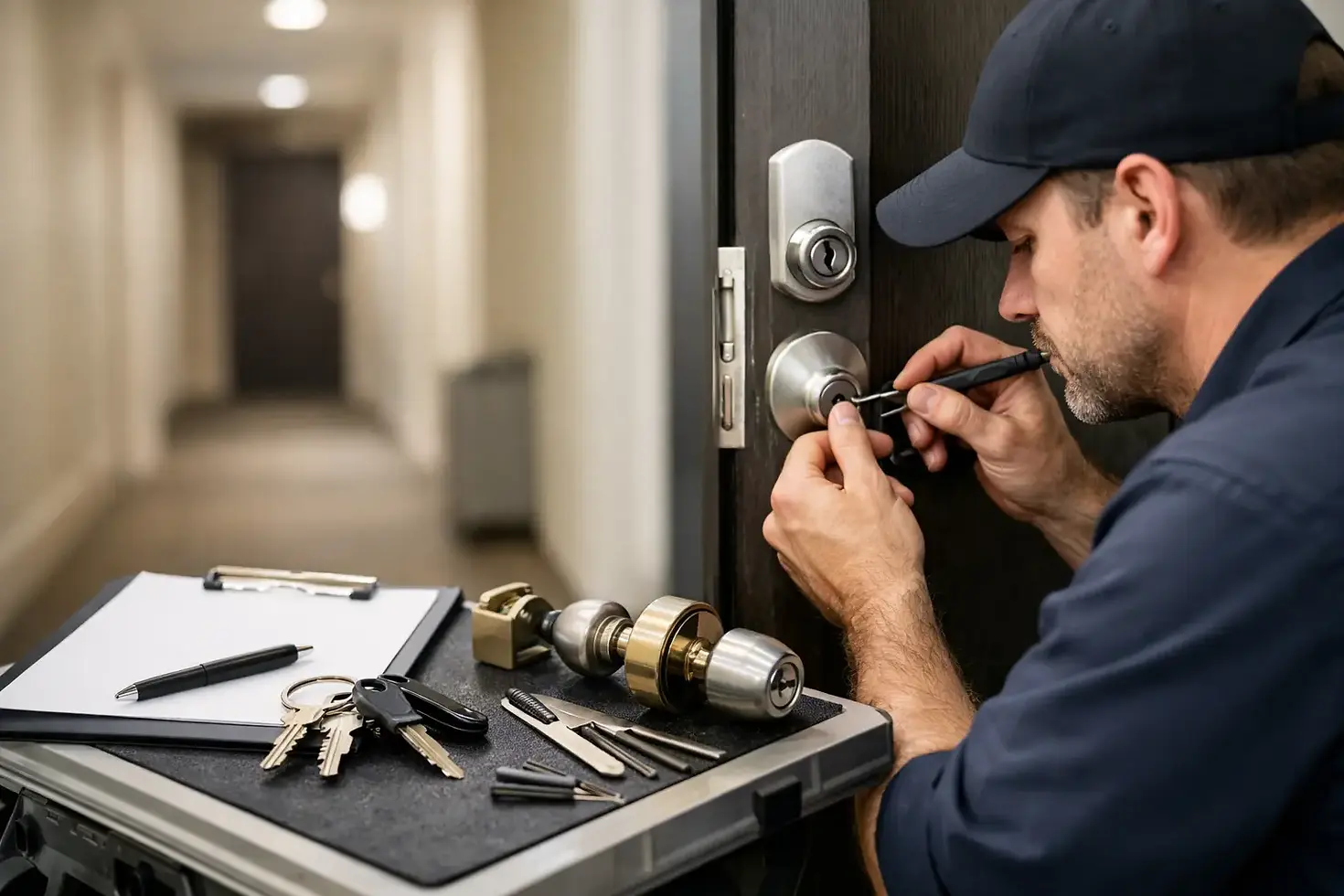
Damage Free Entry Guide for Locked Doors
A locked door can turn into a costly repair when the wrong method is used. This damage free entry guide explains what professional entry should look like, why forcing a lock is rarely worth it, and what to do when you are locked out of your home, vehicle, or business.
The goal is simple: restore access without creating a second problem. A qualified locksmith uses the right tools, checks ownership or authorization, and works carefully to protect the lock, door, frame, weatherstripping, and glass whenever possible.
What Damage-Free Entry Really Means
Damage-free entry means using professional methods designed to open a locked door or vehicle without drilling, prying, breaking glass, or damaging surrounding components. It does not mean every lock can always be opened with zero repair. A lock that is broken internally, severely worn, improperly installed, or damaged after a break-in may need replacement.
In a normal lockout, however, destructive entry should not be the first option. Prying a residential door can split the frame or bend the strike plate. Trying to force a car door can damage the window track, weather seal, paint, or side curtain airbag area. Drilling a commercial lock before evaluating it can create unnecessary expense and leave a business less secure.
A professional starts with the least invasive method that fits the lock and situation. If a non-destructive approach will work, that should be the first choice.
Why DIY Lockout Methods Often Cause More Damage
When you are locked out, it is easy to reach for a screwdriver, coat hanger, credit card, or a borrowed drill. Those shortcuts can turn a service call into a door repair, lock replacement, or vehicle body repair.
A credit card may seem harmless, but it can break the card and damage the latch or door trim. It also will not work on a properly installed deadbolt. Screwdrivers and pry bars can bend a door, crack a jamb, or ruin the alignment between the latch and strike plate. Once that alignment is off, the door may not lock correctly even after you get inside.
Vehicle lockouts have their own risks. Modern cars use tighter door seals, complex electronic locking systems, and delicate interior components. Improper tools can scratch paint, tear weatherstripping, bend the upper door frame, or damage wiring. A vehicle may open, but you could be left with wind noise, water leaks, warning lights, or an expensive repair.
If there is an immediate danger, such as a child or pet trapped in a hot vehicle, call emergency services right away. For a standard lockout, calling a local locksmith is usually faster and far less expensive than repairing damage caused by forced entry.
A Damage-Free Entry Guide for Your Home
Residential lockouts happen for ordinary reasons: keys are left inside, a key breaks, a lock sticks, or a door closes behind you. The correct response depends on the type of door and lock.
A locksmith will first identify whether the door uses a standard knob lock, deadbolt, smart lock, mortise lock, or another hardware type. They will also check the door material and the condition of the frame. A wood door, metal door, fiberglass door, and glass patio door all require different care.
For a standard locked door, non-destructive entry may involve professional lock manipulation or specialized tools that release the latch without harming the door. If the lock is functioning normally, the locksmith can often open it and leave the hardware usable. If the key has broken inside or the lock has failed, repair or replacement may be necessary after entry.
Do not keep turning a key that is binding or only partially entering the keyway. That can snap the key or damage the lock pins. Instead, stop, avoid spraying random household oils into the lock, and have the issue checked. The right lubricant and repair method depend on the lock.
Deadbolts and Smart Locks Need a Different Approach
A deadbolt is designed to resist simple bypass attempts, which is exactly why it provides better security. Forcing it from the outside may damage the door before the deadbolt gives way. Smart locks can add another layer of complexity because a dead battery, failed keypad, or connection issue may look like a lockout.
Before assuming the lock has failed, check for a backup physical key, alternate authorized user code, or the manufacturer-approved emergency power feature if your model has one. If those options are unavailable, a locksmith can assess the hardware and recommend the least disruptive solution.
Protecting Your Vehicle During a Lockout
A professional vehicle entry service is about more than getting the door open. It is about protecting the vehicle while doing it.
Modern vehicles vary widely. Some have traditional lock cylinders, while others rely heavily on electronic systems, proximity fobs, and interior controls. The year, make, and model affect the proper entry method. An approach that works on an older pickup can cause damage on a newer SUV.
A locksmith should use vehicle-specific tools and techniques, not improvised metal rods. Careful entry helps prevent damage to glass, trim, weather seals, and locking mechanisms. Once access is restored, the technician can also help determine whether the problem was simply keys left inside, a dead fob battery, a damaged key, or a failing ignition or door lock.
If your keys are lost rather than locked inside, you may need more than entry. Depending on the vehicle, a locksmith may be able to create and program a replacement key or fob. That is often more practical than arranging a tow and waiting on a dealership appointment.
Commercial Lockouts Require Security Judgment
A commercial lockout is not always just an access problem. It can involve employee access, restricted areas, master key systems, storefront doors, panic hardware, or a need to secure the property after a staffing change.
Business owners and property managers should avoid handing keys around or forcing a lock open during a stressful situation. If a former employee may still have a key or access code, getting inside is only the first step. Rekeying the affected locks or changing credentials may be the better security decision.
For commercial doors, damage-free entry is especially valuable because storefront glass, aluminum frames, panic bars, and high-security hardware can be expensive to repair. A locksmith can assess whether the existing lock can be opened and rekeyed, whether hardware needs service, or whether access control settings should be updated.
What a Professional Locksmith Should Check First
Before opening a lock, a responsible locksmith should confirm that you are authorized to access the property or vehicle. This may mean checking identification, registration, proof of residence, a lease, or authorization from a business owner or property manager.
That step protects you and your property. It is also a sign that the locksmith takes security seriously. Be cautious of anyone willing to open a home, car, or business with no questions and no clear explanation of the work.
You should also receive a clear explanation if drilling or lock replacement becomes necessary. There are legitimate situations where a lock cannot be opened non-destructively, particularly when it has failed internally or has been damaged. The key is that destructive work should be explained as a last-resort solution, not treated as the default.
What to Do While You Wait for Help
First, move to a safe location. If you are locked out at night, in bad weather, or near traffic, wait somewhere visible and secure when possible. Do not leave children, pets, or vulnerable passengers in unsafe conditions.
Gather useful information for the locksmith: your location, the type of property or vehicle, the lock issue, and whether a key is missing, broken, or locked inside. For vehicle service, have the year, make, and model ready. Clear details help the technician arrive prepared.
Avoid repeated attempts to force the lock. Every extra attempt can make a simple lockout harder to solve. If the key is stuck, do not yank it or twist it aggressively. If a door is misaligned, pushing or slamming it may worsen the problem.
Prevent the Next Lockout
No one plans to get locked out, but a few practical habits reduce the chances. Keep a spare key with a trusted person rather than hiding one outside in an obvious spot. Replace worn keys before they break. Test spare vehicle fobs occasionally, and replace weak batteries before they fail at the worst time.
For homes and businesses, consider whether everyone with a key should still have one. Rekeying after a move, tenant change, lost key, or employee dismissal is a straightforward way to regain control of access without replacing every lock.
When you need help in Crestview or the surrounding area, ASAP Locksmith can assess the situation, explain the options, and work to restore access without unnecessary damage. A locked door is stressful enough - choose careful entry first, and protect the property you worked hard to keep secure.


Comments