
_edited.png)

How to Regain Garage Access Without Damage
A garage lockout can stop your whole day. Your car may be trapped inside, the opener may not respond, or you may simply be standing outside without the key to the side door. Knowing how to regain garage access starts with identifying what is actually locked or malfunctioning, then choosing the safest way back in without damaging the door, lock, or opener.
The right solution depends on your setup. A locked walk-through door calls for a different response than a dead remote battery or an overhead door that will not move. If you are unsure, avoid forcing anything. Garage doors are heavy, their hardware is under tension, and a quick attempt to pry or bypass a lock can turn a simple lockout into an expensive repair.
Start by Checking the Safe, Simple Options
Before calling for help, take a calm look at the situation. Check whether another exterior door into the house is accessible and whether a trusted household member has a spare key. If your garage has a keypad, make sure the correct code is being entered and check whether its batteries need replacing.
If the remote is not working, try the wall-mounted garage door control from inside the home if you can reach it. A remote problem does not always mean the garage door itself is broken. The remote battery may be dead, the opener may have lost power, or the opener may need to be reset after an outage.
Look for a tripped breaker or a GFCI outlet that has shut off. Many garage door openers plug into a ceiling outlet, and a power issue can make the system appear completely dead. Restore power only if it is safe to do so. If you smell burning, see damaged wiring, or notice an overheated opener, leave it alone and arrange professional service.
How to Regain Garage Access When the Side Door Is Locked
Many garages have a service door with a standard deadbolt or knob lock. This is often the fastest point of entry for a qualified locksmith, especially when the overhead door cannot be opened from outside.
Do not drill the lock, break a window, or pry at the frame unless there is a true emergency involving immediate danger. Those methods can damage the door, weather stripping, trim, and lock hardware. They also create a security problem that must be fixed right away.
A professional locksmith can usually assess the lock, confirm the appropriate entry method, and work to open it without unnecessary damage. Once access is restored, you can decide whether the lock only needed service or whether it should be rekeyed or replaced. Rekeying is a practical option when keys are lost, a former tenant or employee may still have a key, or you do not know who has copies.
When You Have a Key That Will Not Turn
A key that enters the lock but will not turn may point to a worn key, a dirty cylinder, a misaligned door, or a failing lock. Do not keep twisting the key with force. It can snap inside the cylinder, leaving you with a more complicated lockout.
Try gently relieving pressure on the door by pushing or pulling it slightly while turning the key. If that does not work, stop. A locksmith can determine whether the issue is alignment, the key itself, or internal lock damage.
If the Garage Door Opener Will Not Work
When you are locked outside and the garage door will not open, the opener may be the issue rather than your access method. Start with the basics: replace the remote battery, try a second remote if available, and confirm the opener has power.
If your keypad lights up but will not operate the door, confirm that the code has not been changed or cleared. Some opener systems also have a vacation or lock mode that disables remotes and keypads while leaving the interior wall control active. If someone accidentally activated that setting, the door can appear unresponsive from outside.
Avoid trying to pull the emergency release from outside with improvised tools. The emergency release is designed to be operated from inside the garage. Attempts to reach it through the top of the door or around a weather seal can damage the door and may create a security weakness.
If you can enter the garage through the home, inspect the opener from inside. Check for anything blocking the photo-eye sensors near the bottom of the tracks. A dirty lens, shifted sensor, or object in the doorway can prevent the door from closing or operating correctly. If the door is stuck open or partially open, keep children and pets away from it until the problem is resolved.
Never Force a Stuck Overhead Door
A garage door that feels unusually heavy, hangs crooked, makes grinding noises, or will not move may have a broken spring, cable, roller, track, or opener component. This is not a do-it-yourself lockout problem.
Garage door springs and cables store significant tension. Trying to lift a damaged door by hand or adjust its hardware can cause severe injury. Do not cut cables, remove spring parts, or stand beneath a door that is not fully supported.
If the car is trapped inside, it is understandable to want a fast fix. But forcing the door can bend the track, damage the panels, or make the door fall unexpectedly. A garage door repair professional should handle mechanical door failures. If the immediate problem is a locked side door or lost key, a locksmith can help restore safe entry so the garage door can be inspected from inside.
Lost Keys, Broken Locks, and Security Concerns
Sometimes the problem is not the door at all. You may have lost the garage key, had a key break, moved into a home with unknown key copies, or discovered that the lock is damaged after an attempted break-in. In these cases, getting back inside is only part of the job. You also need to restore security.
A locksmith can open the entry door, remove a broken key when possible, repair or replace damaged hardware, and rekey compatible locks. Rekeying changes the lock pins so old keys no longer work. It is often less costly than replacing every lock, although replacement makes more sense when hardware is worn, corroded, or not providing the level of security you need.
For homeowners, it can also be smart to key the garage service door to match the home’s exterior doors when compatible hardware is used. Fewer keys are easier to manage, but the best choice depends on your existing locks and how you use the garage.
When to Call a Locksmith for Garage Access
Call a locksmith when you are locked out through a standard garage entry door, your key is lost or broken, the lock will not turn, or you need the lock secured after entry. This is especially helpful when you need damage-free access and do not want to risk the door or frame.
For Crestview-area homeowners, ASAP Locksmith can provide practical help for residential garage access issues involving keys, locks, and entry doors. The goal is straightforward: get you back inside, avoid unnecessary damage, and make sure the door is secure when the job is done.
Call a garage door technician instead when the overhead door has a broken spring, damaged cable, bent track, failed rollers, or a door that is physically stuck. In some situations, you may need both services. A locksmith can restore access through the side door, while a garage door professional repairs the door system itself.
Prevent the Next Garage Lockout
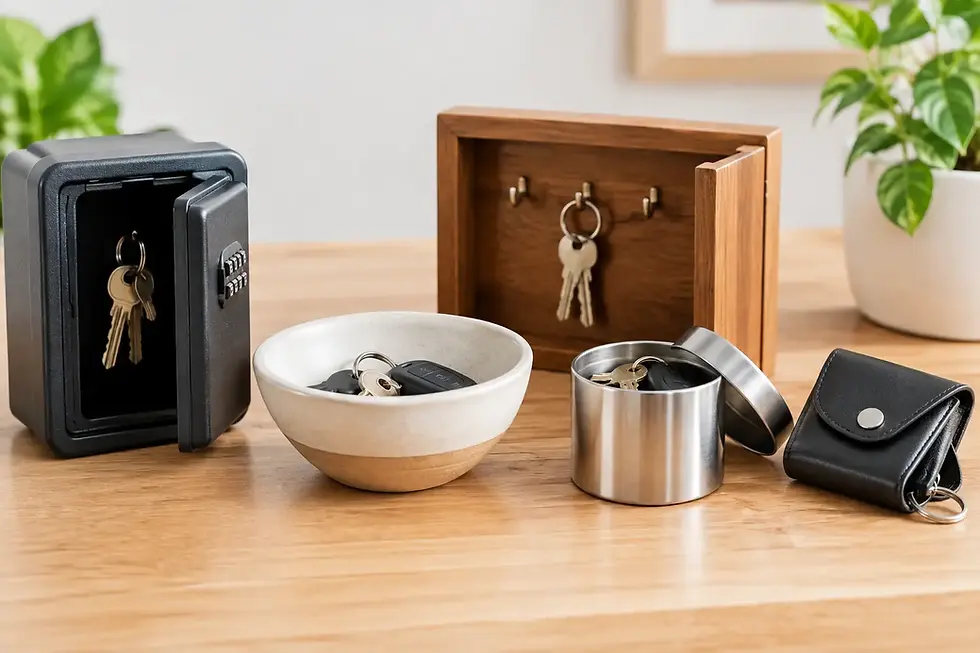
Once you are back in, take a few minutes to prevent a repeat problem. Keep a spare house or garage key with a trusted person rather than hiding one in an obvious outdoor spot. Replace weak remote batteries before they fail, and make sure everyone in the household knows the keypad code and where the emergency release is located.
If you recently bought the home, lost keys, ended a rental arrangement, or had contractors with access, consider rekeying the garage entry lock. It is a simple security step that gives you control over who can enter.
A garage lockout is frustrating, but it does not need to become destructive or dangerous. Use the simple checks first, stay clear of damaged overhead door hardware, and get qualified help when the lock or access issue will not resolve safely.


Comments