
_edited.png)

Property Lockout Example: What to Do First
A property lockout example often starts with a simple problem that becomes urgent fast: you step outside to take out the trash, the door closes behind you, and your keys are on the kitchen counter. Or a property manager arrives to handle a leak and finds that the lock was changed without notice. The priority is the same in either case - regain authorized access without damaging the door, lock, or property.
Trying to force a door can turn a lockout into an expensive repair. A damaged deadbolt, bent strike plate, broken window, or kicked-in door may create a bigger security problem than the original lockout. A professional locksmith can assess the situation, verify authorization, and use the right entry method for the lock and property.
A Property Lockout Example: Locked Out of a Rental Home
Picture this situation. A tenant in Crestview leaves for work early, pulls the front door shut, and realizes their keys are still inside. Their phone, wallet, and car keys may be indoors too. They are standing outside a secured home with no spare key available.
The first move should be to pause and check for a legitimate way back in. Is another adult occupant nearby? Is there a trusted neighbor holding a spare key? Does the lease identify a property manager or emergency maintenance contact? If the answer is no, a locksmith is usually the fastest damage-free option.
When the locksmith arrives, the tenant should be ready to show identification and proof that they live there when possible. A driver's license showing the address is helpful, but other reasonable proof may be needed if the ID is locked inside. The locksmith will assess the circumstances before opening the door. That protects the tenant, the owner, and the property.
A qualified locksmith can often open a residential door without drilling or replacing the lock. Whether that is possible depends on the lock type, its condition, and whether the door has failed mechanically. If the lock is damaged, drilling may be necessary, but it should be explained before work begins. A good technician does not treat replacement as the first answer when safe, non-destructive entry is available.
Property Lockouts Are Not Always Residential
The word “property” can mean a home, apartment, office, storage area, rental unit, or commercial building. Each situation has a different access process and different security concerns.
A homeowner may be locked out after a key breaks or an electronic keypad stops responding. A landlord may need access to an unoccupied unit after confirming their legal right to enter. A business owner may arrive before opening and discover an employee took the only key. A property manager may need a lock rekeyed after a tenant move-out or staffing change.
The practical goal is not simply getting a door open. It is restoring access while preserving security. For a business, that could mean rekeying exterior doors after a former employee leaves. For a homeowner, it may mean checking a worn lock that caused the lockout in the first place. For a rental property, it may mean documenting the service and ensuring the correct authorized parties receive new keys.
What to Do While You Wait for Help
Stay near the property in a safe, visible location. If you are locked out after dark, wait in your vehicle if you have access to it, or move to a well-lit area nearby. Avoid leaving the property unattended with a door partly open, a key stuck in the lock, or personal items exposed.
Do not attempt to pry the door, remove lock hardware, or climb through a window. Those attempts commonly damage frames, weather stripping, screens, and glass. They can also make professional entry more difficult and may raise concerns for neighbors or law enforcement.
If there is an active emergency inside, such as a child alone, a medical issue, a fire risk, or a pet in immediate danger, call 911 first. A locksmith handles access problems, but emergency responders should handle immediate threats to life and safety.
For a normal lockout, gather what you can to confirm your connection to the property. This may include a photo ID, lease, utility bill, management contact, vehicle registration, or a neighbor who can verify residency. You do not need to solve every documentation question alone, but being prepared helps prevent delays.
When a Rekey Is Better Than a New Lock
After access is restored, many customers ask whether they need a new lock. The answer depends on why the lockout happened.
If the keys were simply left inside and remain secure, the existing lock may be fine. If a key was lost, stolen, or may be in the hands of someone who should no longer have access, rekeying is often the practical choice. Rekeying changes the internal key pattern so old keys no longer work, while allowing the existing hardware to stay in place.
Replacing the lock can make more sense when the hardware is worn out, damaged, outdated, or no longer provides the level of security you want. A locksmith can explain the difference clearly and recommend the option that fits the condition of the door and your budget. You should not be pressured into replacing working hardware just because you had a lockout.
For commercial properties, rekeying after an employee termination, contractor change, or missing key should be handled promptly. Waiting until the next day can leave a business exposed. It may also be worth checking every exterior door, not just the door used most often. One forgotten side entrance can defeat the purpose of a security change.
Questions to Ask Before You Authorize Service
A lockout is stressful, but you can still make a smart service decision. Ask whether the provider can give a clear arrival estimate and explain their pricing before work begins. Confirm that they will verify authorization to enter. Ask whether they expect to use non-destructive entry first and what would require drilling or replacement.
Be cautious with anyone who gives vague answers, refuses to discuss pricing, or immediately insists that every lock must be drilled. A legitimate locksmith evaluates the lock and explains the work in plain language. The right solution depends on the specific door, lock, and security need.
ASAP Locksmith has served the Crestview area since 2000 with urgent residential, automotive, and commercial locksmith service. When access is blocked, the focus is straightforward: respond quickly, protect the property, and get the authorized customer moving again.
Preventing the Next Lockout
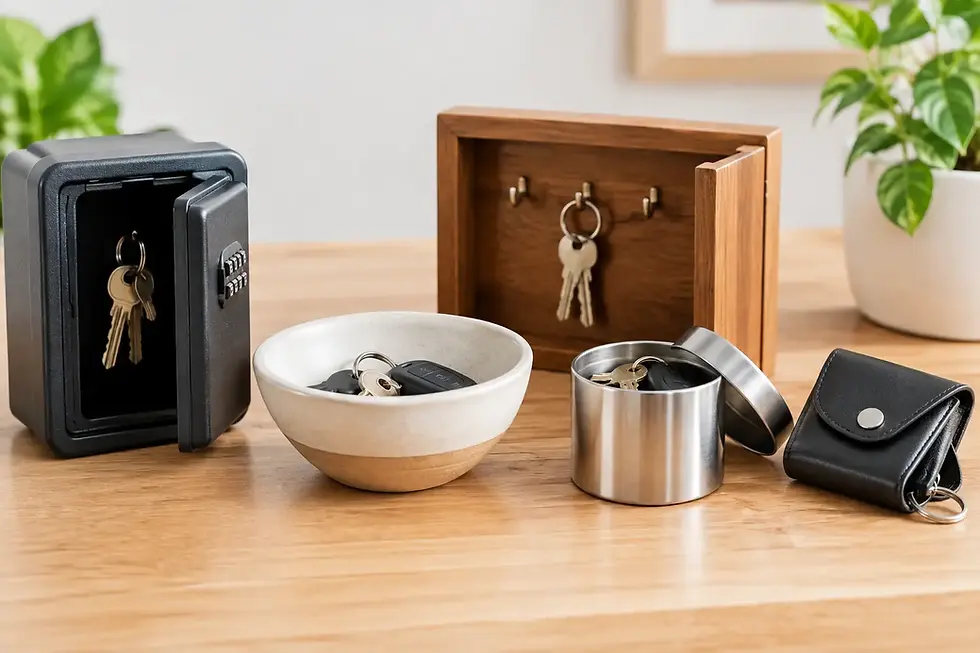
A spare key helps, but only when it is handled safely. Leaving one under a mat, fake rock, or loose planter can create an easy opportunity for someone else. A better choice may be a trusted family member, a reliable neighbor, or a secure key storage option selected for your situation.
For rental homes and commercial properties, keep access records current. Make sure the right people know who has keys, who is authorized to request service, and who should be contacted after hours. When keys change hands without documentation, small access problems can turn into costly delays.
Electronic locks can be useful, but they still need maintenance. Replace batteries before they fail, keep a backup entry plan, and update codes after a move-out or staffing change. Technology can reduce key-related lockouts, but it does not replace good access control.
The best time to think about a property lockout is before you are standing outside in the heat, rain, or dark. Keep a safe backup plan, know who is authorized to help, and call a local professional when you need damage-free access without more disruption.


Comments