
_edited.png)

How to Secure Rental Property Without Gaps
A vacant rental between tenants is one of the easiest places for a security problem to start. A former tenant may still have a key. A maintenance vendor may have copied one. A back window may not latch correctly, or a deadbolt may be worn out from years of use. Knowing how to secure rental property means closing those gaps before they turn into unauthorized entry, property damage, or a frightened new tenant.
For landlords and property managers, rental security is not just about buying stronger locks. It is about controlling access, inspecting the right areas at turnover, and responding quickly when a key, lock, or tenant situation changes.
Start With the Locks at Every Entry
Your exterior doors are the first place to focus. Every rental should have secure, properly installed locks on front, rear, garage, and side entry doors. Check each lock between tenants instead of assuming it works because the door still closes.
A good deadbolt should extend fully into the door frame and operate without sticking. The strike plate should be firmly attached with long screws that reach the wall framing, not just the trim. If the door moves significantly when locked, the problem may be the frame, strike plate, hinges, or alignment instead of the lock itself.
Door hardware also needs to match the door. A strong deadbolt cannot make up for a weak, damaged, or hollow exterior door. Look for loose hinges, cracked frames, warped doors, and large gaps around the latch. These are practical issues that can make a property easier to force open or leave tenants unable to lock up properly.
Sliding glass doors deserve extra attention. Confirm the main latch works, the door cannot be lifted easily from its track, and any supplemental security bar is properly fitted. For ground-level windows, test every lock and replace broken latches promptly. Security only works when residents can use it every day without fighting a jammed lock.
Rekey Between Tenants Every Time
The most dependable way to control access after a move-out is to rekey the locks. Rekeying changes the internal pins in an existing lock so old keys no longer work. It is usually faster and more cost-effective than replacing all the hardware when the locks are in good condition.
This matters even if a tenant returns every key you issued. Keys can be copied at hardware stores, given to relatives, lent to friends, or left with a contractor. There is no reliable way to know where every copy ended up. Rekeying removes that uncertainty.
For a single-family rental, rekey all exterior doors, garage access doors, mailbox locks where applicable, storage rooms, and common entry points that were accessible to the previous tenant. In a multi-unit property, follow your property’s access plan and local requirements for shared doors, gates, and utility areas.
Replacing locks can make more sense when hardware is damaged, outdated, repeatedly malfunctioning, or keyed in a way that creates confusion. A locksmith can assess whether rekeying is enough or whether the lock itself has become the weak point.
Keep One Key System Simple
Too many keys create too many opportunities for mistakes. Where appropriate, use a planned key system so the tenant has simple access while the owner or manager maintains controlled access for authorized maintenance and emergencies.
The goal is not to give everyone a master key. The goal is to know exactly who can enter, which key opens which door, and when a key must be collected or disabled. Label management keys carefully without putting the property address on the key tag. If a key ring is lost, you do not want it to identify the building it opens.
Create Clear Key Control Rules
Key control sounds basic, but it is one of the most common rental security failures. A landlord may issue keys without recording the number, allow vendors to keep copies indefinitely, or forget to retrieve a key from a former employee. Those loose ends add up.
Keep a written record of issued keys, including physical keys, fobs, gate remotes, mailbox keys, garage remotes, and electronic access codes. Record who received each item and when it was returned. During turnover, compare what comes back with what was issued, then rekey regardless.
For vendors, provide access only when needed. If a contractor will be working on an occupied unit, coordinate access with the tenant and document the appointment. Avoid leaving keys hidden outside, in lockboxes with old codes, or with people who no longer work on the property.
Electronic locks can help with access tracking and code changes, but they are not automatically the best choice for every rental. Battery changes, Wi-Fi reliability, tenant comfort, weather exposure, and emergency access all matter. A quality mechanical deadbolt with disciplined key control is often a better fit than a cheap smart lock that fails when you need it most.
Secure the Property During Vacancy
Empty rentals can attract trespassing, theft, and vandalism, especially when they look obviously unoccupied. A property does not need to look fortified. It needs to look maintained, monitored, and difficult to enter unnoticed.
At turnover, walk the exterior in daylight and after dark. Look for overgrown shrubs that conceal windows or doors, burned-out porch lights, open utility access, loose gates, and places where someone could hide from view. Trim landscaping away from entrances and windows, and make sure address numbers are visible for tenants, maintenance workers, and first responders.
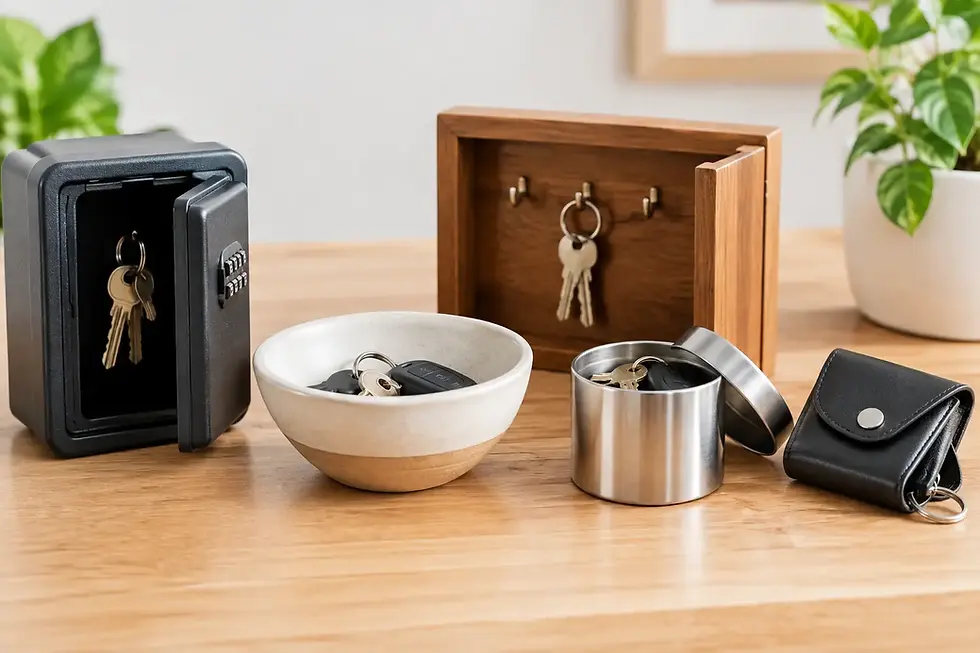
Before showing the unit, confirm that doors and windows close and lock. Do not leave a key under a mat, above a door frame, or in an unsecured lockbox. If you use a lockbox for showings or contractor access, use a high-quality model, limit the access window, and change the code when staff or vendors change.
A basic turnover security check should cover:
Exterior door locks, strike plates, hinges, and weather damage
Window locks, sliding door latches, and garage access points
Keys, remotes, fobs, lockbox codes, and alarm credentials
Exterior lighting, gates, fences, and visible signs of forced entry
Smoke alarms, carbon monoxide alarms, and emergency exit paths
These checks protect more than the building. They help make sure the next tenant can move into a home that feels safe from the first night.
Set Reasonable Tenant Security Expectations
Tenants play a major role in rental security, but they need clear rules and responsive support. Your lease should explain who is allowed to receive keys, whether tenants may change locks, how they should report broken locks, and what to do if they are locked out.
Local and state landlord-tenant rules can affect lock changes, notice before entry, and the type of security devices tenants may add. Do not rely on a one-size-fits-all policy. Review Florida requirements and get legal guidance when needed, especially if there is a dispute, a domestic violence safety concern, or a request for a lock change.
In practical terms, tenants should know to report a sticking deadbolt, damaged door frame, lost key, or broken window lock immediately. A small problem can become an emergency fast. If a tenant loses keys, act promptly to assess whether rekeying is necessary. If keys were stolen with identifying information, treat the situation as urgent.
Act Fast After Staff or Tenant Changes
Rental property security changes the moment access changes. When a property manager, maintenance worker, cleaner, or leasing employee leaves, review every key, fob, code, alarm credential, and lockbox code they could have accessed. Collect what can be collected and change what cannot be verified.
The same principle applies after an eviction, a difficult move-out, a break-in attempt, or a lost master key. Waiting until the next business day may leave the property exposed. Same-day rekeying can restore control without replacing every lock, provided the hardware is still sound.
For landlords and managers in Crestview and nearby communities, ASAP Locksmith can help with rekeying, lock repair, and urgent access issues when a rental needs attention quickly. Damage-free work and a clear plan for access make a stressful turnover easier to manage.
A secure rental is built through routine habits: inspect the hardware, rekey at turnover, control every key and code, and fix access problems before a tenant has to worry about them.


Comments