

When Lock Rekeying Is the Right Security Move
A former tenant still has a key. An employee left on bad terms. You moved into a house and have no idea how many copies are floating around. Those are the moments when lock rekeying can restore control quickly without the cost of replacing every lock on the property.
Rekeying is one of the most practical security services a locksmith provides. It gives you a new working key while making the old key useless, often using the lock hardware already on your doors. For homeowners, landlords, and business owners, that can mean a faster, more affordable response when access needs to change now.
What Lock Rekeying Actually Does
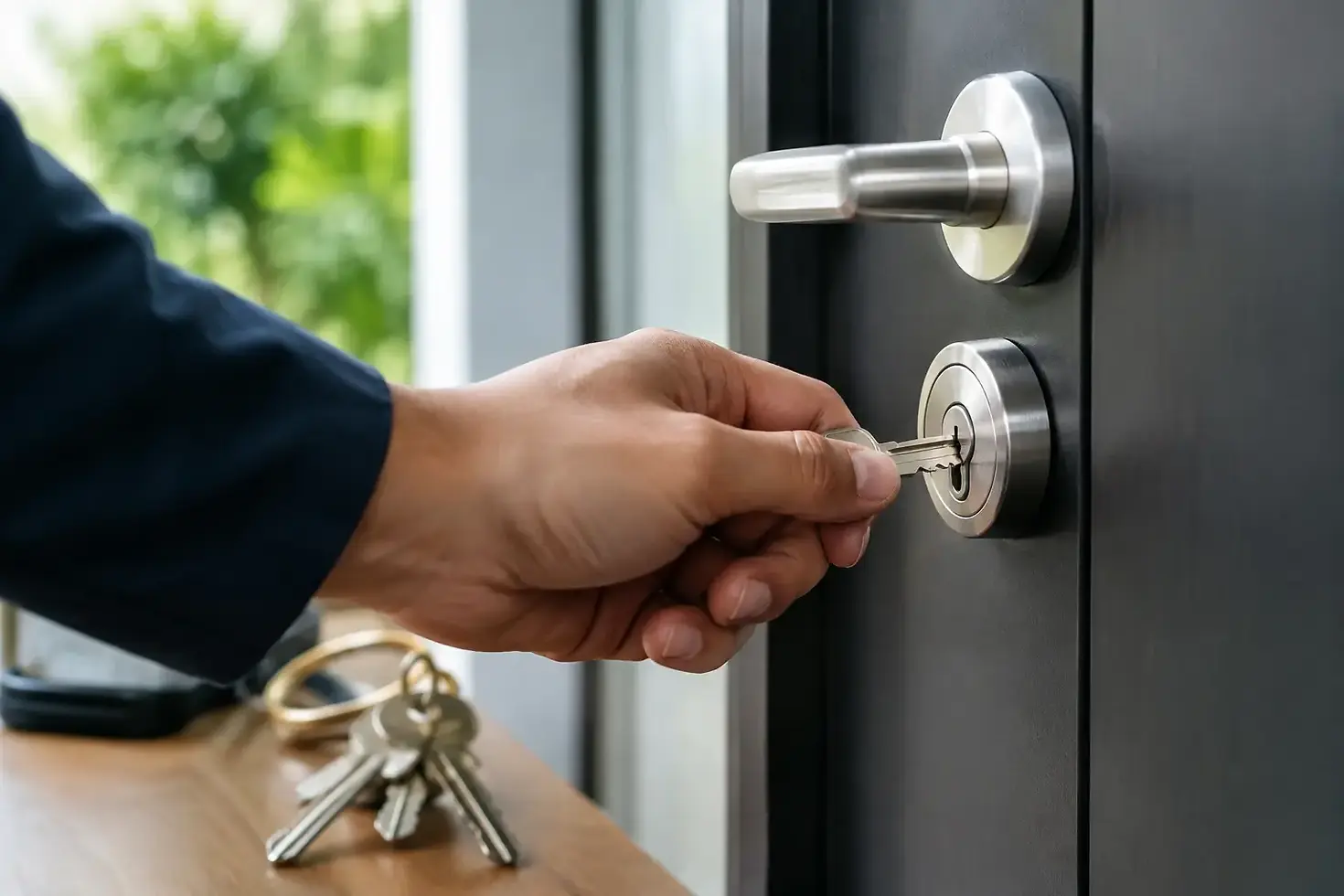
Most standard door locks contain a cylinder with small internal pins. Those pins are set to match the cuts on your current key. During rekeying, a locksmith changes the internal pin configuration so the lock works with a different key. The old key will no longer turn the lock.
The exterior lock hardware usually stays in place. Your deadbolt, knob, lever, trim, and door appearance do not need to change simply because you need different keys. That is the main difference between rekeying and lock replacement.
Lock replacement means removing the existing hardware and installing new hardware. That may be the right choice if a lock is damaged, worn out, low quality, or no longer provides the level of security you need. But if the lock is in good working condition, rekeying is often the smarter first option.
When Rekeying Makes More Sense Than Replacing Locks
Rekeying is especially useful when the problem is key control, not broken hardware. If you are concerned that someone may still have a key, there is no need to wait for a problem to happen before changing access.
For a homeowner, the most common time to rekey is immediately after buying a house. Even if the seller hands over two keys, previous owners, contractors, relatives, neighbors, cleaners, or caregivers may have copies. Rekeying before you fully settle in gives you a known starting point.
For rental property owners, rekeying between tenants is a basic security step. A new tenant should not have to wonder whether a former tenant can return with an old key. It also helps property managers keep key systems organized from one turnover to the next.
Businesses often need the same-day response rekeying provides after an employee resignation, dismissal, lost master key, or vendor change. Commercial access should be reviewed quickly after a staffing transition, particularly when keys were issued to supervisors, opening staff, maintenance workers, or outside service providers.
Rekeying may be the right move after:
A move into a new home, condo, office, or rental unit
Lost, stolen, or unreturned keys
A tenant turnover or employee departure
A contractor, cleaner, caregiver, or former roommate no longer needing access
Too many keys in circulation and no clear record of who has them
The decision is straightforward: if you do not know who has a working key, it is time to change who can use the lock.
When You Should Replace the Lock Instead
A locksmith should not recommend rekeying just because it costs less. The condition and quality of the lock matter. Rekeying a weak or failing lock does not fix the underlying hardware problem.
Replacement may be a better choice when the lock sticks, binds, spins, has visible damage, or has been forced during a break-in attempt. A worn lock may work today but leave you with a lockout or security issue later. If the deadbolt does not extend fully into the strike plate, the door frame is damaged, or the hardware is loose, those issues need attention as well.
You may also choose replacement when upgrading security. For example, a basic builder-grade knob lock may not be enough for an exterior entry door. A stronger deadbolt, properly installed strike plate, reinforced screws, or restricted key system can offer better protection than simply changing the key combination on the old lock.
There is also a compatibility question. Not every lock can be rekeyed, and some locks are not worth rekeying. A professional locksmith can identify the lock type, check its condition, and explain whether rekeying, repair, or replacement gives you the best value.
One Key for Multiple Doors Can Simplify Daily Life
Rekeying is not only for emergencies. It can make a property easier to manage.
Many homes have different keys for the front door, back door, side door, garage entry, and shed. A locksmith may be able to rekey compatible locks so one key operates several doors. That means fewer keys on your ring and less confusion when family members need access.
The same approach can help a small business, office, or rental property. A controlled key plan can allow certain keys to open selected doors while limiting access to storage rooms, offices, equipment areas, or other sensitive spaces. The exact setup depends on the locks, doors, and how people use the property each day.
There are trade-offs. One-key convenience is helpful, but a business may need separate access levels for security. A rental owner may prefer individual keys for separate units. The right system should match your actual access needs, not just look tidy on a key ring.
Why Professional Rekeying Is Worth It
Rekeying looks simple from the outside, but the work happens inside a precision mechanism. Incorrect pins, poor reassembly, or a damaged cylinder can leave a lock unreliable. A key may turn roughly, fail to work consistently, or create a lockout when you least expect it.
A professional locksmith can inspect the hardware before doing the work, rekey the cylinder correctly, test every new key, and make sure the lock operates smoothly from both sides of the door. If the lock shows signs of failure, you can address that issue before it becomes an emergency.
Professional service also helps avoid unnecessary damage. A door lock is connected to the latch, strike, door alignment, and frame. If the deadbolt is difficult to turn because the door has shifted, simply changing keys will not solve the problem. Identifying the real cause protects both your security and your budget.
For commercial properties, professional rekeying is also useful for keeping key control organized. After a termination or lost key, the goal is not just to make one key stop working. The goal is to know who has access after the change is complete.
Do Not Wait Until a Key Is Used Against You
Many people put off rekeying because nothing bad has happened yet. That is understandable, but it leaves an avoidable gap in security. A key does not need to be stolen to become a risk. It can be forgotten, copied, loaned out, or left with someone who no longer has a reason to enter.
The best time to rekey is when you know access has changed, not after you discover that an old key still works. For a new homeowner, that may be move-in day. For a landlord, it is before the next tenant receives keys. For a business, it is immediately after an access-related staffing change.
If you are in Crestview or the surrounding area and need dependable help, ASAP Locksmith can assess your existing locks and provide practical recommendations on-site. Whether the answer is rekeying, repair, or replacement, the priority is getting your property secure without unnecessary delay.
A lock only protects the people and property behind it when you know who holds the key. If that answer is uncertain, changing the key system is a sensible next step.


Comments